Fabric Deep DiveKnit FabricTechnical KnitsTextile Glossary
2026年4月7日
Why Fleece Fabrics Shed Fibers & How to Control It for Global Export
For textile exporters, fleece, sherpa, and polar fleece are popular, high-demand materials—but fiber shedding is one of the most common challenges that can lead to rejected orders, customer complain
For textile exporters, fleece, sherpa, and polar fleece are popular, high-demand materials—but fiber shedding is one of the most common challenges that can lead to rejected orders, customer complaints, or non-compliance with international standards.
This article explains the key facts about fiber shedding, the most important testing standards, and how to manage quality for global apparel and outdoor brands.
What Is Fiber Shedding?
Fiber shedding refers to fibers falling off the fabric surface during rubbing, wearing, washing, or daily use.Brands care about shedding control for three main reasons:
- Appearance: Lint and loose fibers sticking to clothing damage user experience.
- Durability: Excessive shedding causes the fleece to bald, reducing warmth and performance.
- Environmental compliance: Synthetic fiber shedding may contribute to microplastic pollution, which is increasingly regulated in the EU and global markets.
3 Key Testing Standards for Export
Different markets and brands require different tests. They cannot replace each other.
1. Fiber Shedding (Tape Test)
- Standard: ASTM D3511 or internal brand methods
- Method: Adhesive tape is pressed onto the fabric, removed, and assessed for fiber pickup
- Purpose: Control surface lint for fast fashion brands
- Related to microplastics: No
2. Pile Retention
- Standard: ASTM D4685
- Method: Rubbing test to evaluate fiber loss and fabric balding
- Purpose: Ensure durability for outdoor and performance wear
- Related to microplastics: No
3. Microfiber Release (Washing Test)
- Standard: AATCC 212, DIN SPEC
- Method: Simulated washing to collect and weigh released microfibers
- Purpose: Meet EU environmental and eco-brand requirements
- Related to microplastics: Yes
Common Terms You Must Know
- Lint: Short, loose surface fibers (measured in tape tests)
- Fuzz: Raised fibers that have not fallen off
- Pilling: Tangled fiber balls caused by friction
- Shedding: Actual fiber loss (linked to washing and microplastics)
Why Do Fleece & Sherpa Shed Easily?
Fleece fabrics have long, raised, fluffy surfaces with exposed fiber ends, making them more prone to lint and shedding compared to flat fabrics.
How to Control Shedding Effectively
Low-shed performance is achieved through full-process control, not just single finishing steps.Key methods:
- Increase yarn twist to reduce loose fiber ends
- Optimize brushing and raising intensity
- Strengthen singeing, heat-setting, and anti-pilling finishes
- Control pile length, weight, and loft properly
Microplastics & REACH: What You Need to Know
- Synthetic fiber shedding may be classified as microplastics if size is ≤15mm.
- REACH currently restricts only intentionally added microplastics, not normal fabric fiber loss.
- EU textile regulations will likely introduce strict microfiber release limits between 2027–2030.
- Natural and regenerated fibers (cotton, wool, Tencel, Modal) are biodegradable and not considered microplastics.
Professional Answer for Your Buyers
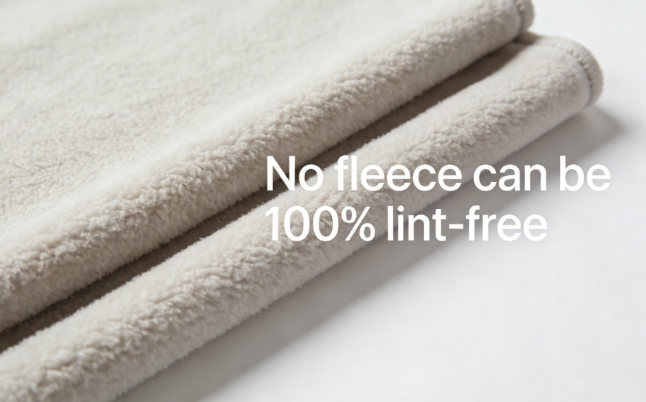
You can use this statement directly for customers:“No fleece fabric can be 100% free of shedding because of its natural fluffy structure. We control lint and fiber loss strictly according to your brand standard—whether tape test, pile retention, or low-shed eco-grade.”
Conclusion
Understanding fiber shedding, testing standards, and quality control is essential for fleece export success.By mastering these rules, you can reduce complaints, avoid customs and compliance risks, and build long-term trust with global apparel and outdoor brands.