Sourcing GuidesTextile Glossary
2026年3月29日
Viscose vs Rayon: The Complete Professional Guide for Textile Sourcing & Compliance
Introduction For textile importers, brand owners, sourcing managers, and factory partners, Viscose and Rayon are among the most commonly used yet misunderstood terms.Incorrect labeling leads to custom
Introduction
For textile importers, brand owners, sourcing managers, and factory partners, Viscose and Rayon are among the most commonly used yet misunderstood terms.Incorrect labeling leads to customs risk. Wrong fiber understanding leads to quality complaints. Lack of knowledge leads to unnecessary losses.This guide covers every core fact you need: fiber definition, regional regulations, filament vs staple, production process, shrinkage, strength, pilling, cotton identification, and bamboo fiber myths.
1. Viscose and Rayon: The Same Fiber, Different Names
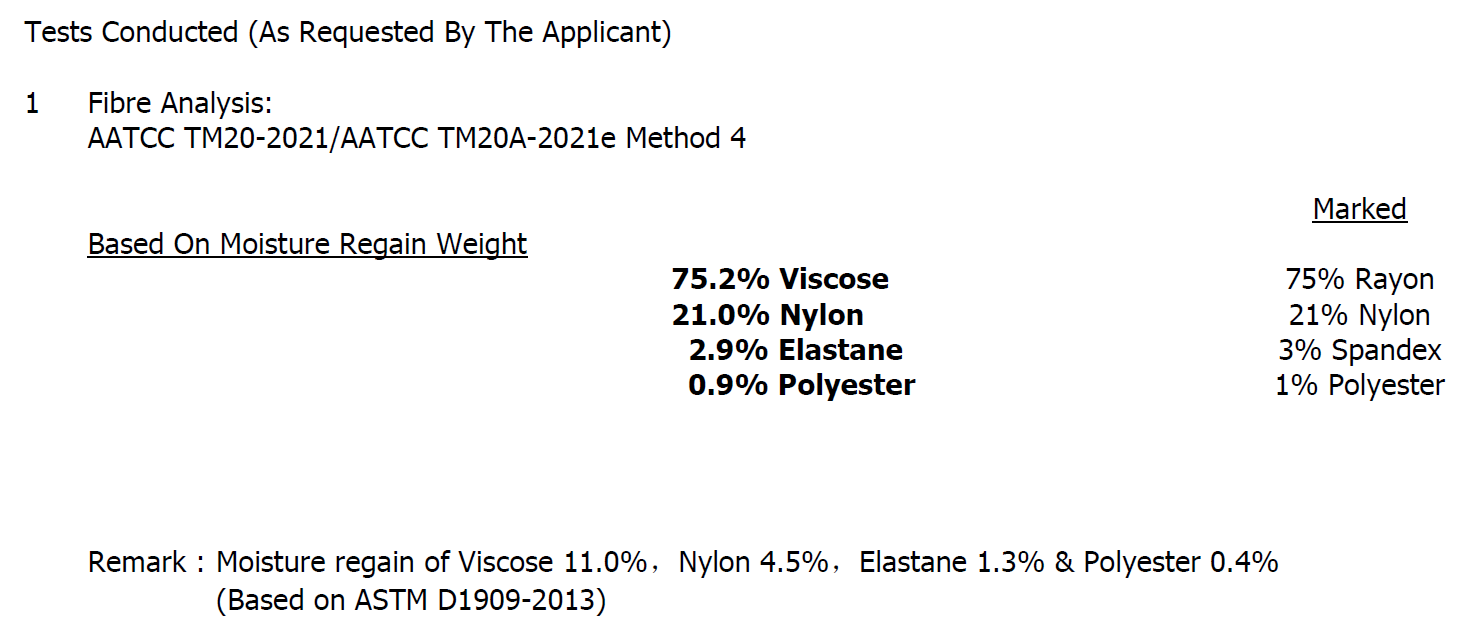
Viscose and Rayon are identical regenerated cellulose fibers.The difference is only about regional labeling laws.
EU Market
- Must use: Viscose
- Rayon is illegal for labeling
- Risk: Detention, rejection, return
US Market
- Official term: Rayon (FTC recognized)
- Viscose is also acceptable
Global Market
Most countries follow the EU standard.
2. Filament vs Staple: The Biggest Misunderstanding
Myth: Viscose = filament, Rayon = staple.Fact: Both can be filament or staple.
- Staple fiber: short, cotton-like, called “human cotton”
- Filament: long, silk-like, called “human silk”
Fiber length does not change the name.
3. How Viscose Staple Fiber Is Made
Nearly all apparel-grade viscose is produced by:
- Spinning into continuous filament
- High-power stretching
- Precision cutting to 38mm staple
This ensures strength, uniformity, and spinning stability.
4. Shrinkage & Deformation Behavior
Viscose has high shrinkage (5%–10%) because:
- Low crystallinity
- High moisture absorption
- Irreversible expansion and contraction
Knitted fabric
Becomes narrower and longer when washed.
Woven fabric
Shrinks in both directions.
5. Anti-pilling Performance
Viscose pills less than cotton because:
- Low static
- Smooth surface
- Weak wet strength makes pills fall off
Viscose filament does not pill.
6. Wet Strength: How to Tell Viscose From Cotton
- Viscose: Wet strength = 40–50% of dry strength
- Cotton: Wet strength ≥ dry strength
This is the most reliable physical test method.
7. Bamboo Viscose vs Real Bamboo Fiber
- Bamboo pulp + viscose process = bamboo viscose
- Real bamboo fiber: mechanical extraction only
Most bamboo fabric sold globally is bamboo viscose.
8. Why This Knowledge Saves Your Business
- Avoid customs risks
- Reduce labeling errors
- Improve buyer communication
- Control quality stability
- Lower complaint & return rates
Conclusion
Viscose and Rayon are the same fiber with different regional names.Use Viscose for EU and global markets; use Rayon for the US.Mastering these professional details will make your textile sourcing more efficient, compliant, and trustworthy.